
Personal EssayFamily & Generational Wisdom
Meta’s new child-safety agreement introduces meaningful safeguards, but it also raises a deeper question about what families have been left to manage alone.
By Clarence C. Mitchell · August 27, 2026

CommentaryFamily & Generational Wisdom
A father passes down a lesson his own father taught him: know your rights, but understand that a right written on paper cannot protect you from someone willing to ignore it. Through family memory, racial history, modern research and cases from Amadou Diallo to Tamir Rice and Airman Roger Fortson, Clarence C. Mitchell examines the survival wisdom Black families have passed across generations—and asks why parents are still being forced to teach it.
By Clarence C. Mitchell · August 15, 2026
CommentaryHistory & Preservation
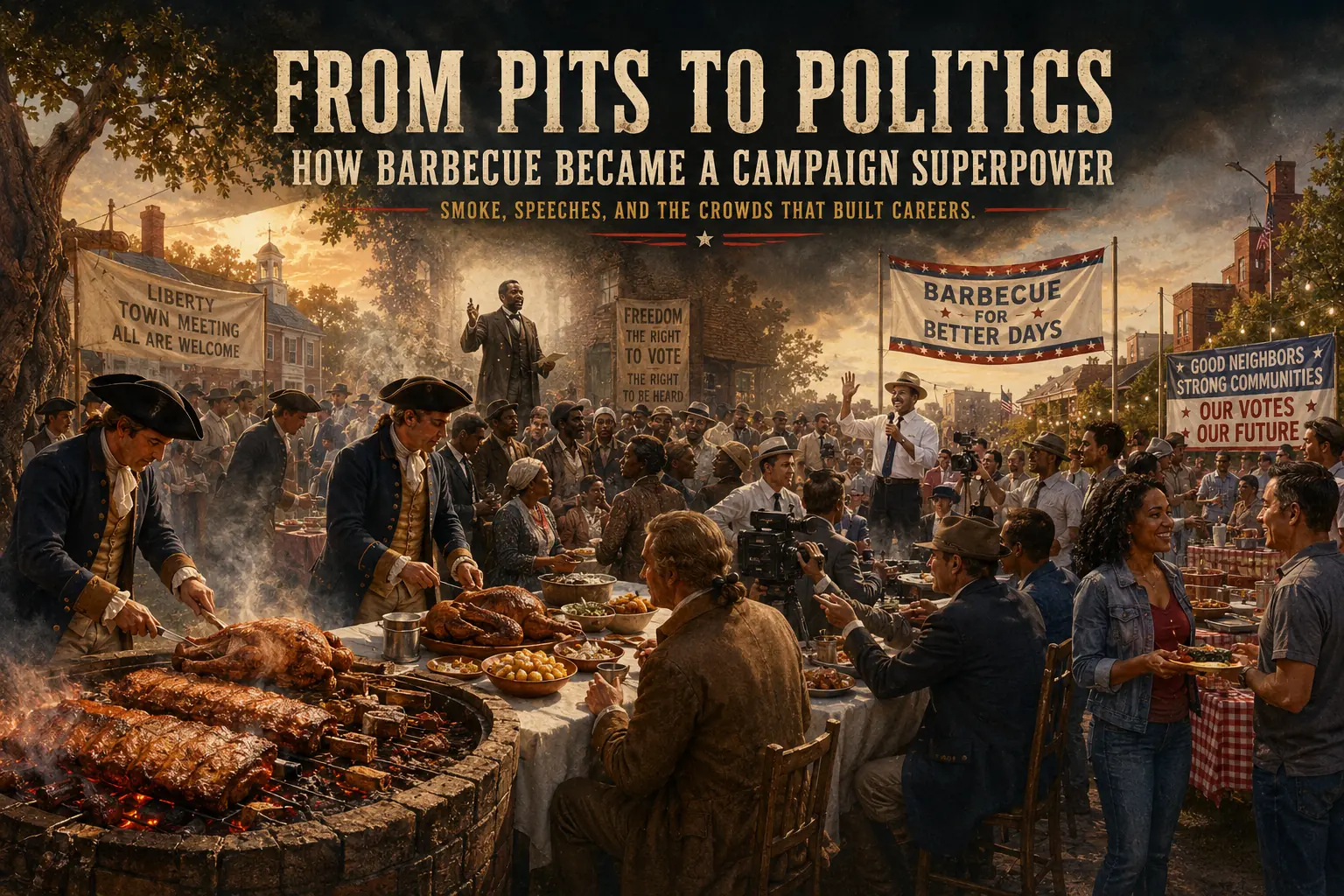
What could be more American than barbecue? Follow the smoke through early elections, mass political rallies, Reconstruction, Jim Crow, Black voter mobilization, presidential diplomacy, and modern campaign traditions, and barbecue becomes something much bigger than food. It becomes a window into how Americans have gathered, organized, persuaded, excluded, resisted, and exercised political power.
By Sunday Dinner Media · August 14, 2026
ReportingFamily & Generational Wisdom
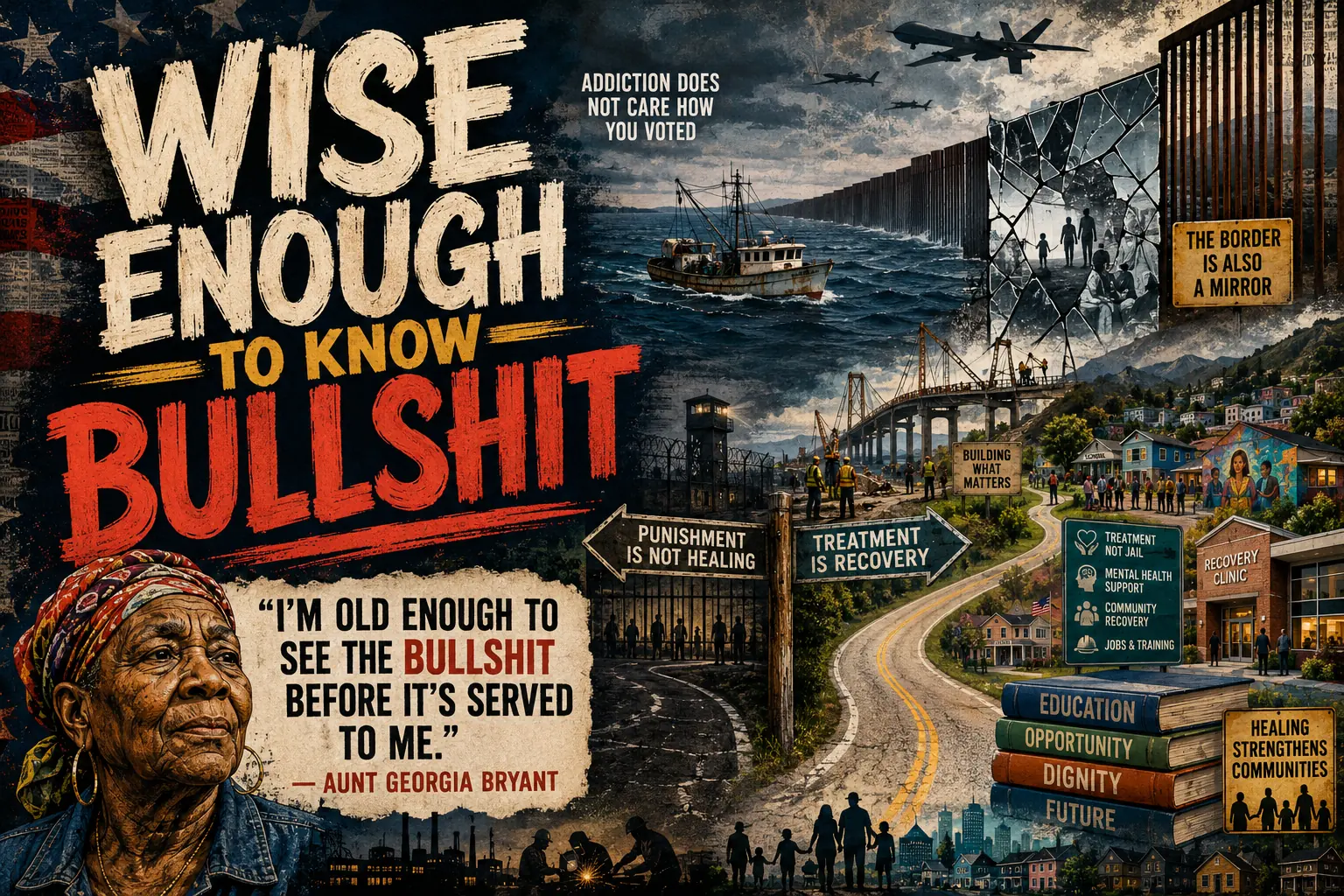
A forceful personal commentary questioning selective outrage, punishment-first public policy, and the abandonment of working communities.
By Clarence C. Mitchell · August 14, 2026

ReportingFamily & Generational Wisdom
Black Democrats can be angry about where America is headed without pretending to be surprised. Clarence C. Mitchell reflects on the public record voters had before the 2024 election, the distractions that shaped the campaign, and a simple truth about democracy: choice carries responsibility.
By Clarence C. Mitchell · August 14, 2026
HistoryFood, Tradition & Gathering
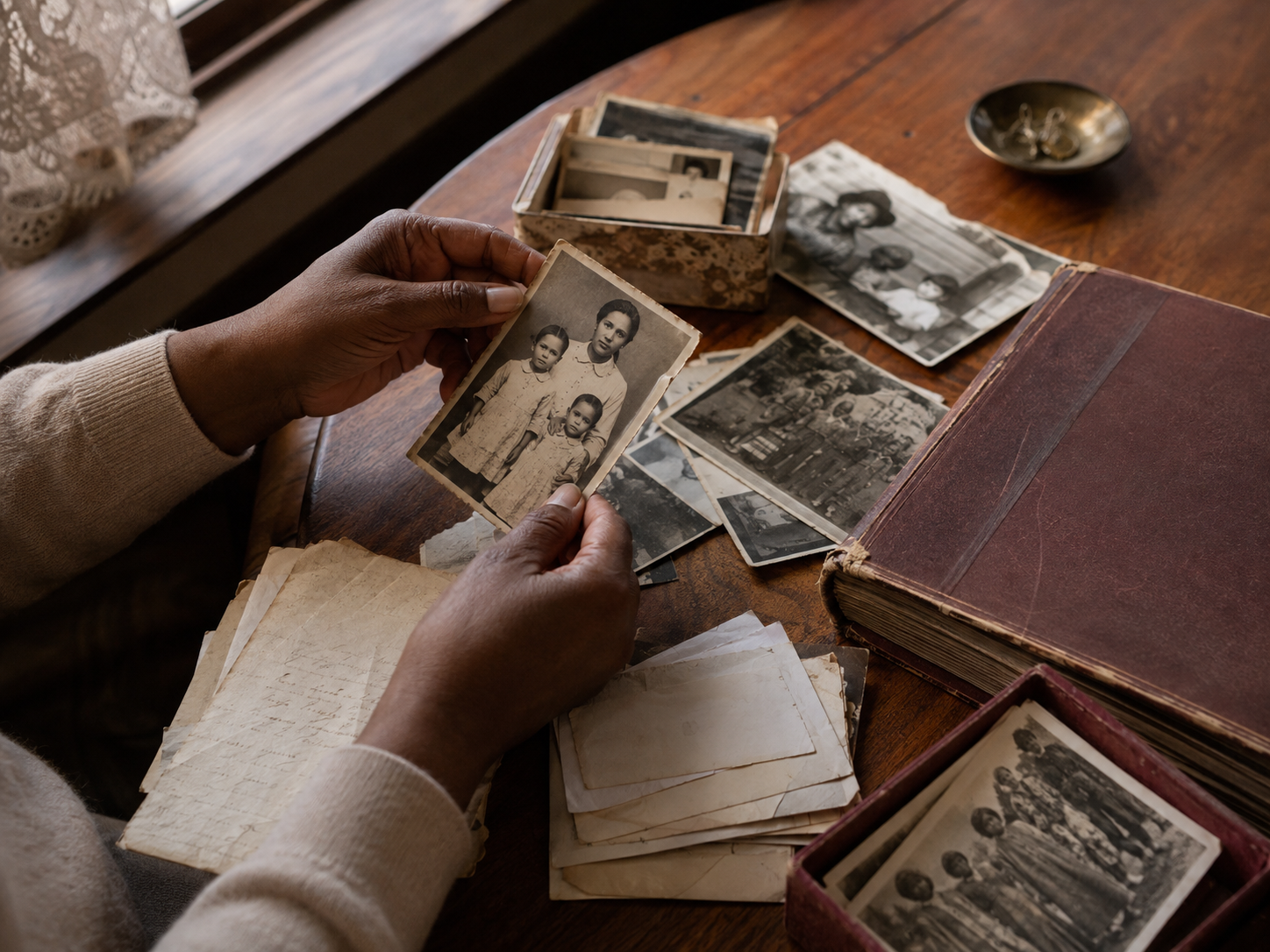
Jerk is more than heat. Its ingredients, smoke, technique, and regional variations carry resistance, resourcefulness, and family tradition.
By Sunday Dinner Media · From Issue 001