
Personal EssayFamily & Generational Wisdom
Meta’s new child-safety agreement introduces meaningful safeguards, but it also raises a deeper question about what families have been left to manage alone.
By Clarence C. Mitchell · August 27, 2026
CommentaryPublic Issues & Current Events
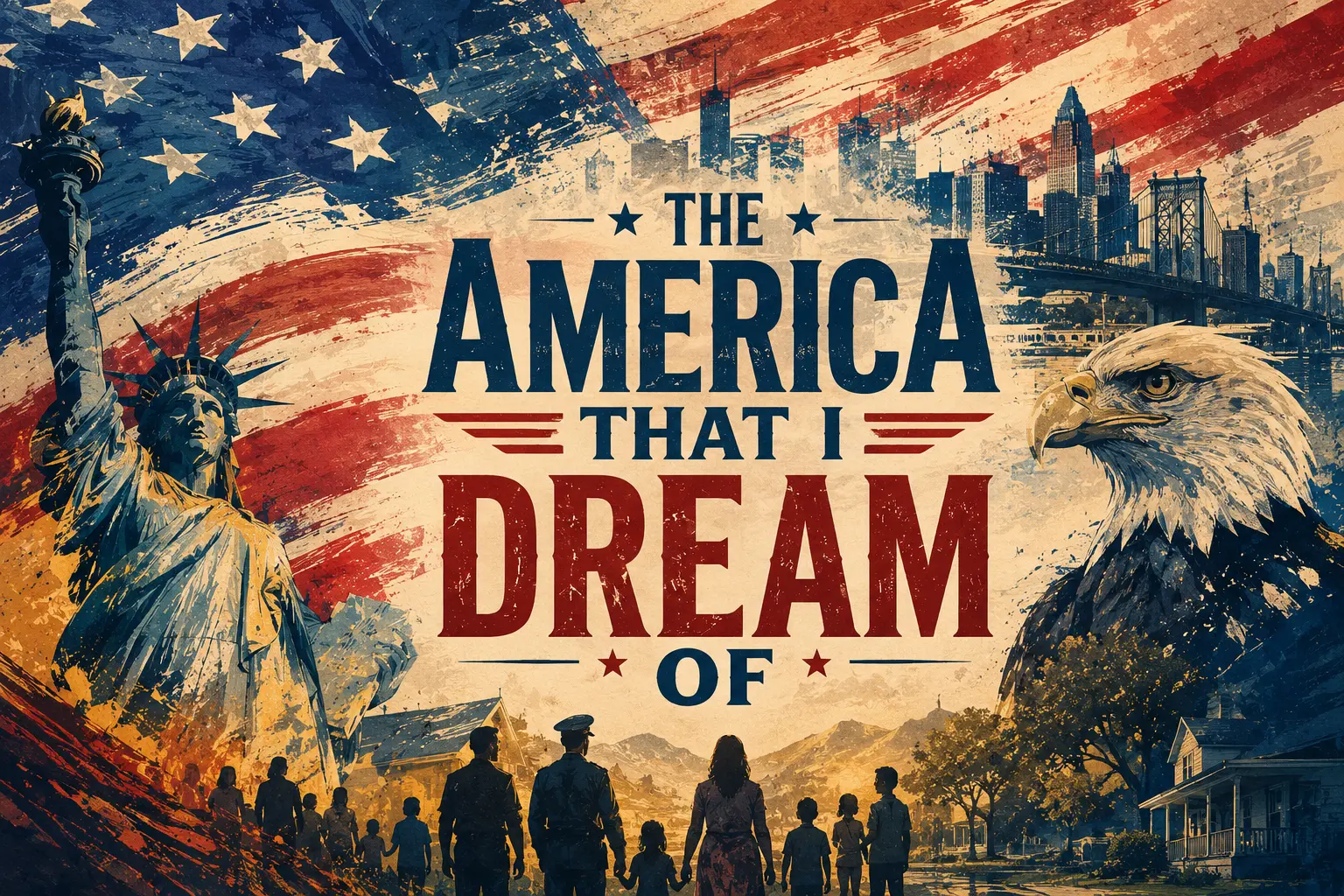
Clarence C. Mitchell reflects on the America he still believes is possible—one where difference is not feared, freedom belongs to everyone, competence matters more than spectacle, and serious public responsibilities are treated seriously.
By Clarence C. Mitchell · August 21, 2026
CommentaryPublic Issues & Current Events
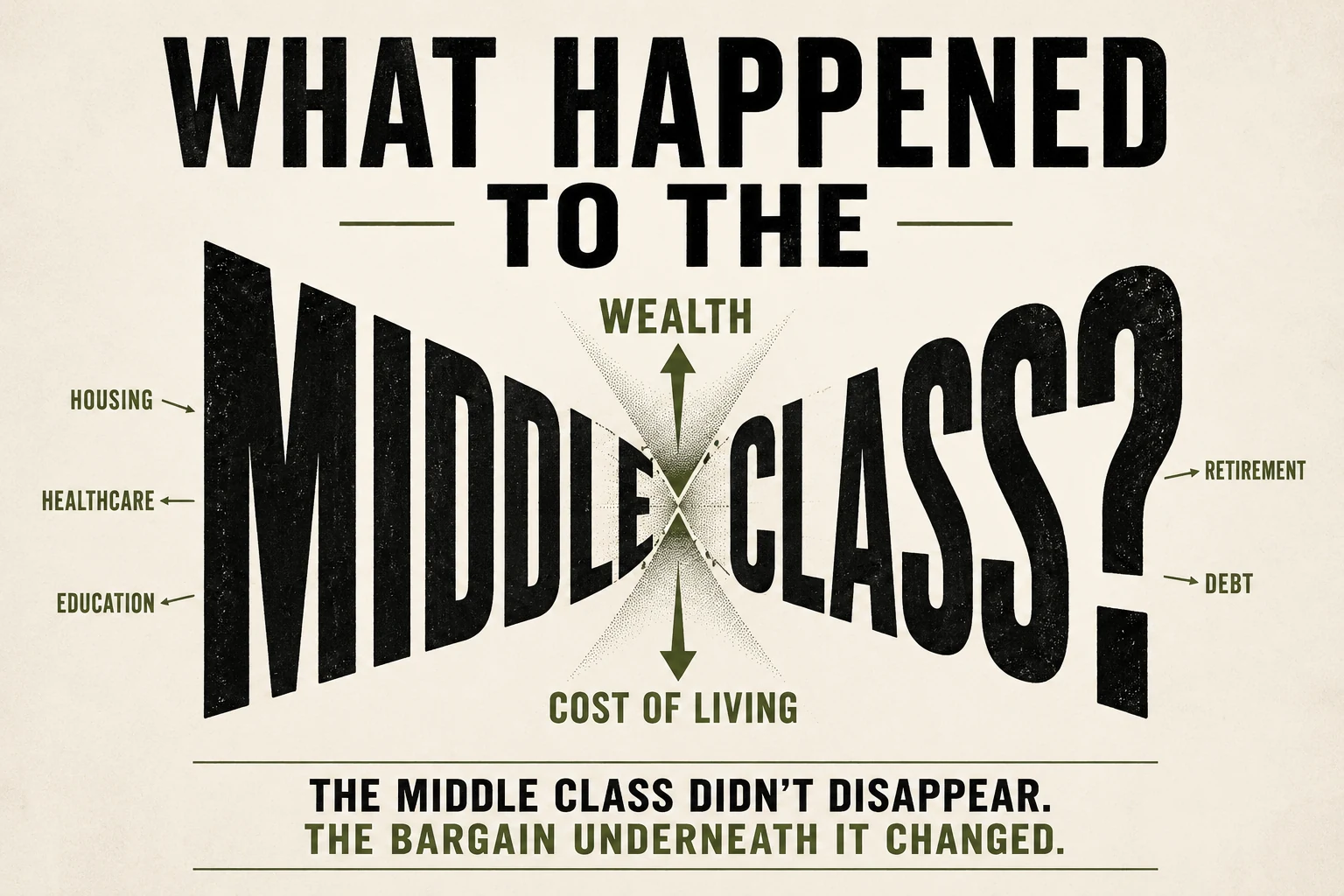
It didn’t disappear under one president. It wasn’t destroyed by one trade agreement. And it didn’t begin with the financial crash of 2008. The story of the American middle class stretches across generations of factories, unions, tax codes, trade agreements, homes, paychecks, pensions, technology and political decisions. Sunday Dinner Media follows the evidence from the postwar economic expansion to the insecurity many working households feel today—and asks what happened to the bargain that once made middle-class life feel secure.
By Sunday Dinner Media Editorial · August 16, 2026
CommentaryPublic Issues & Current Events
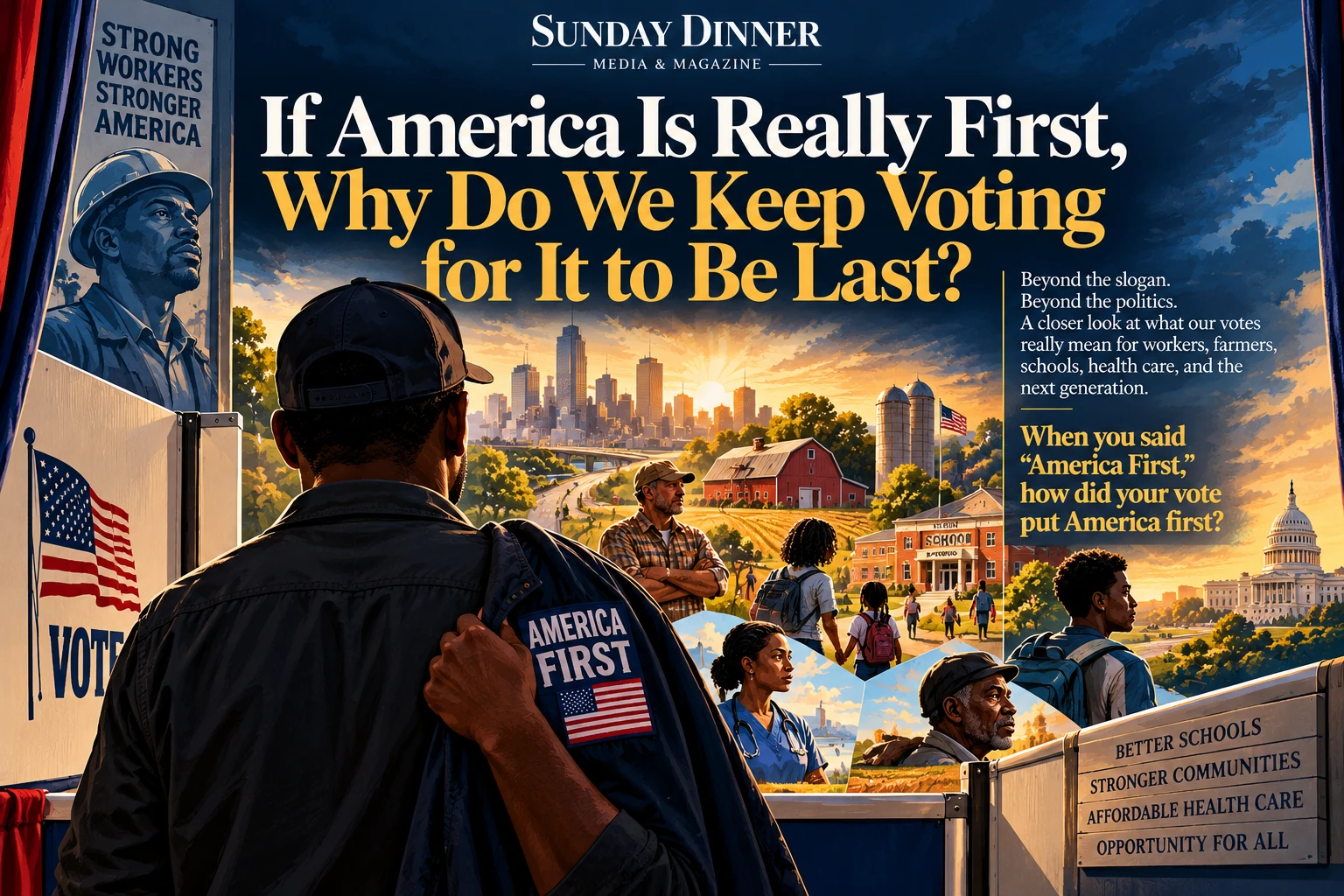
The slogan promises a stronger nation. The question is whom our choices have put first.
By Clarence C. Mitchell · September 25, 2026

CommentaryFaith & Values
A conversation about faith becomes a larger question about responsibility, moral choice and what humanity does with what has been entrusted to it. If God remains sovereign while our choices still carry consequences, when does trusting God become faith—and when does it become an excuse for refusing responsibility?
By Clarence C. Mitchell · August 16, 2026
CommentaryFamily & Generational Wisdom
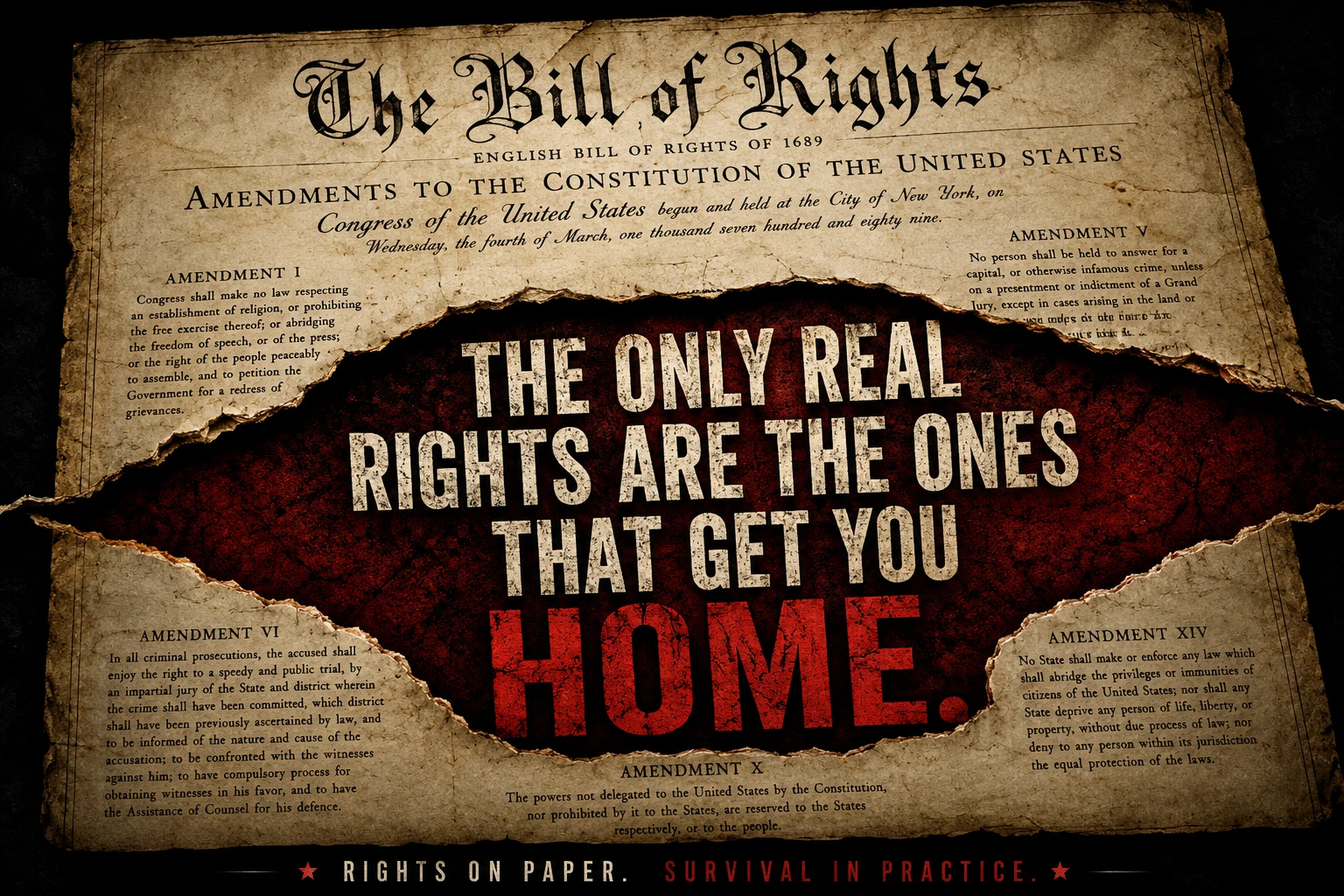
A father passes down a lesson his own father taught him: know your rights, but understand that a right written on paper cannot protect you from someone willing to ignore it. Through family memory, racial history, modern research and cases from Amadou Diallo to Tamir Rice and Airman Roger Fortson, Clarence C. Mitchell examines the survival wisdom Black families have passed across generations—and asks why parents are still being forced to teach it.
By Clarence C. Mitchell · August 15, 2026
CommentaryHistory & Preservation
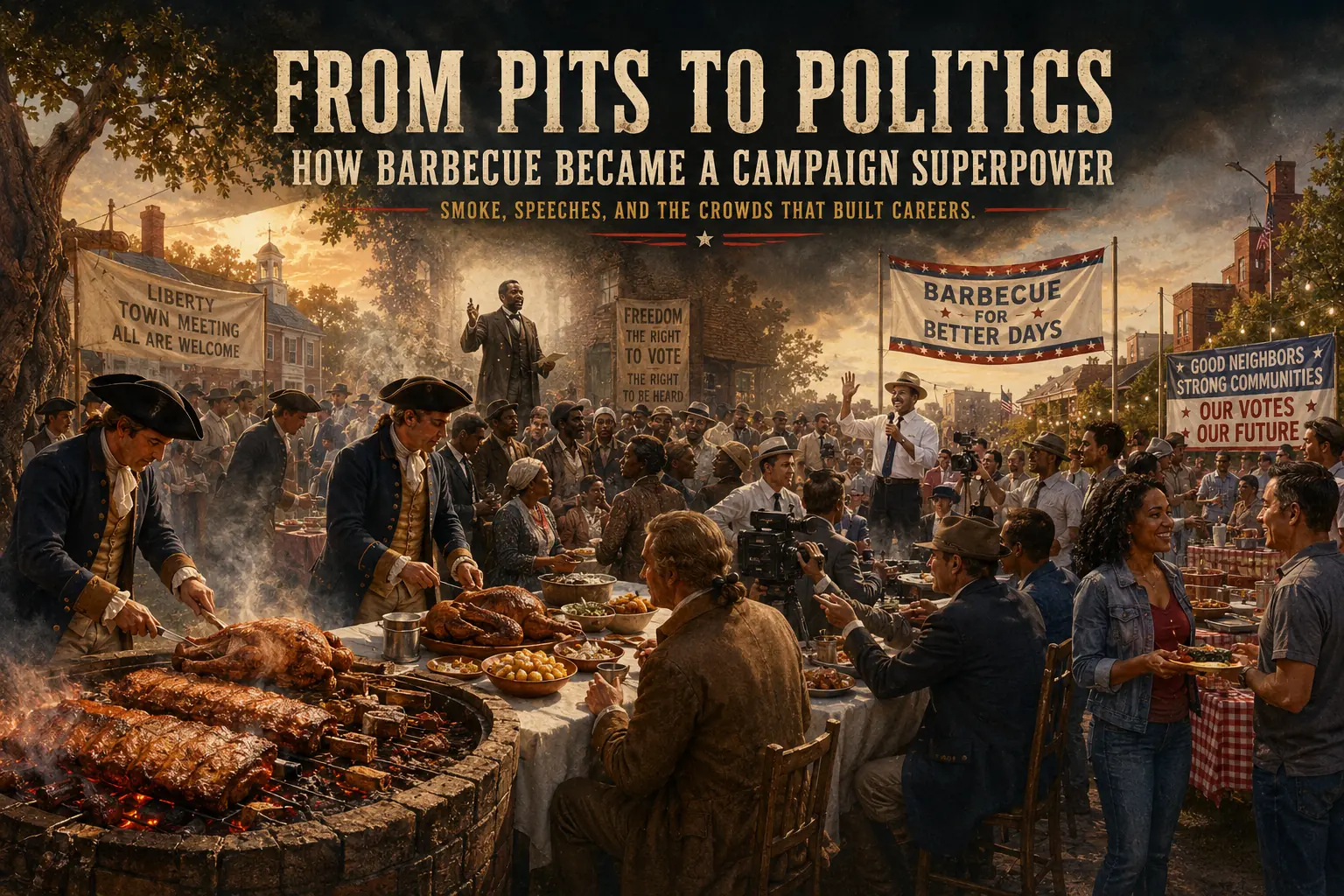
What could be more American than barbecue? Follow the smoke through early elections, mass political rallies, Reconstruction, Jim Crow, Black voter mobilization, presidential diplomacy, and modern campaign traditions, and barbecue becomes something much bigger than food. It becomes a window into how Americans have gathered, organized, persuaded, excluded, resisted, and exercised political power.
By Sunday Dinner Media · August 14, 2026

Personal EssayLeadership & Responsibility
The fire before sunrise, the discipline nobody applauds, and the choices that become a legacy.
By Clarence C. Mitchell · From Issue 001