Op-EdLeadership & Responsibility
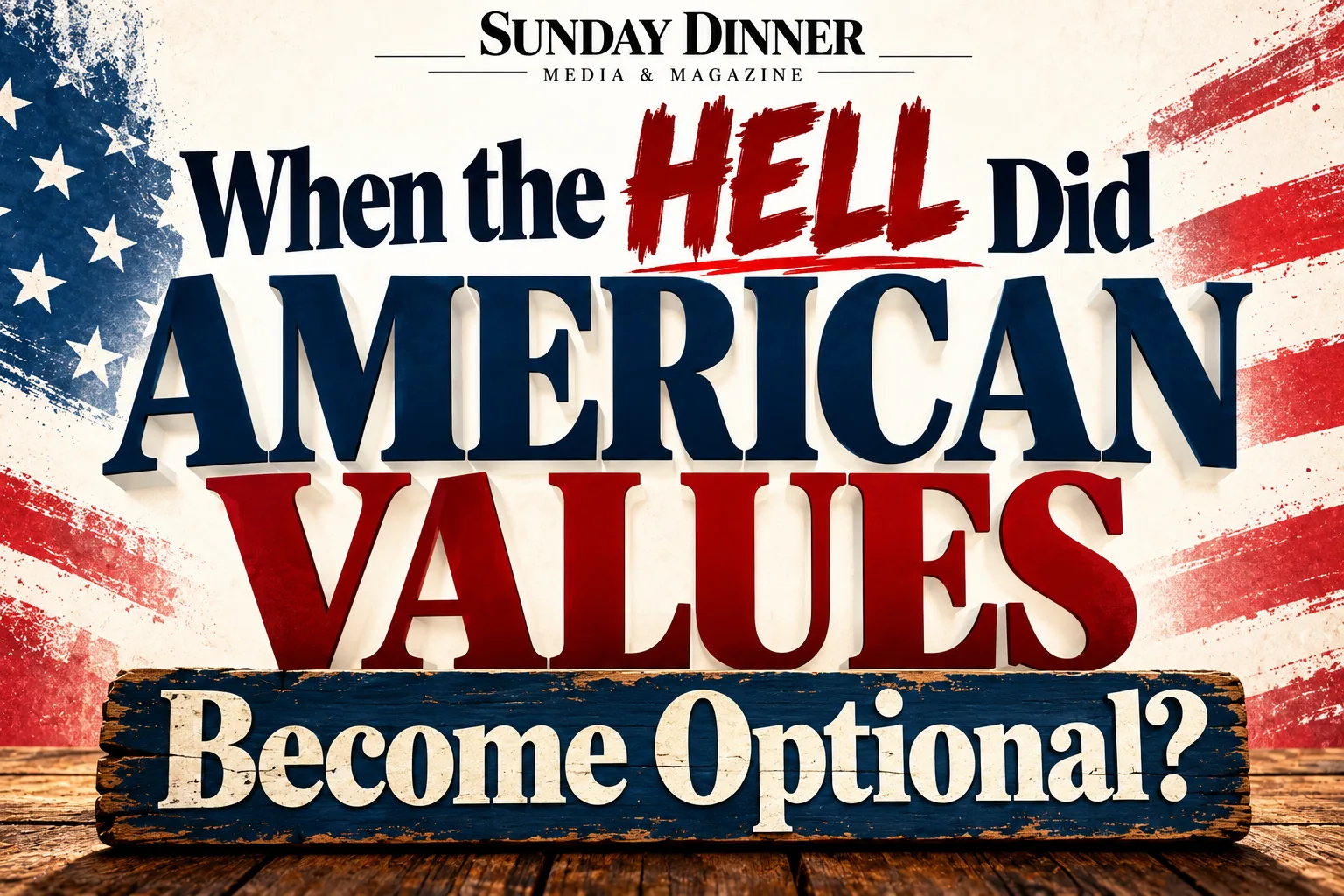
When the Hell Did American Values Become Optional?
The principles we teach our children should govern what we accept from our leaders.

The principles we teach our children should govern what we accept from our leaders.
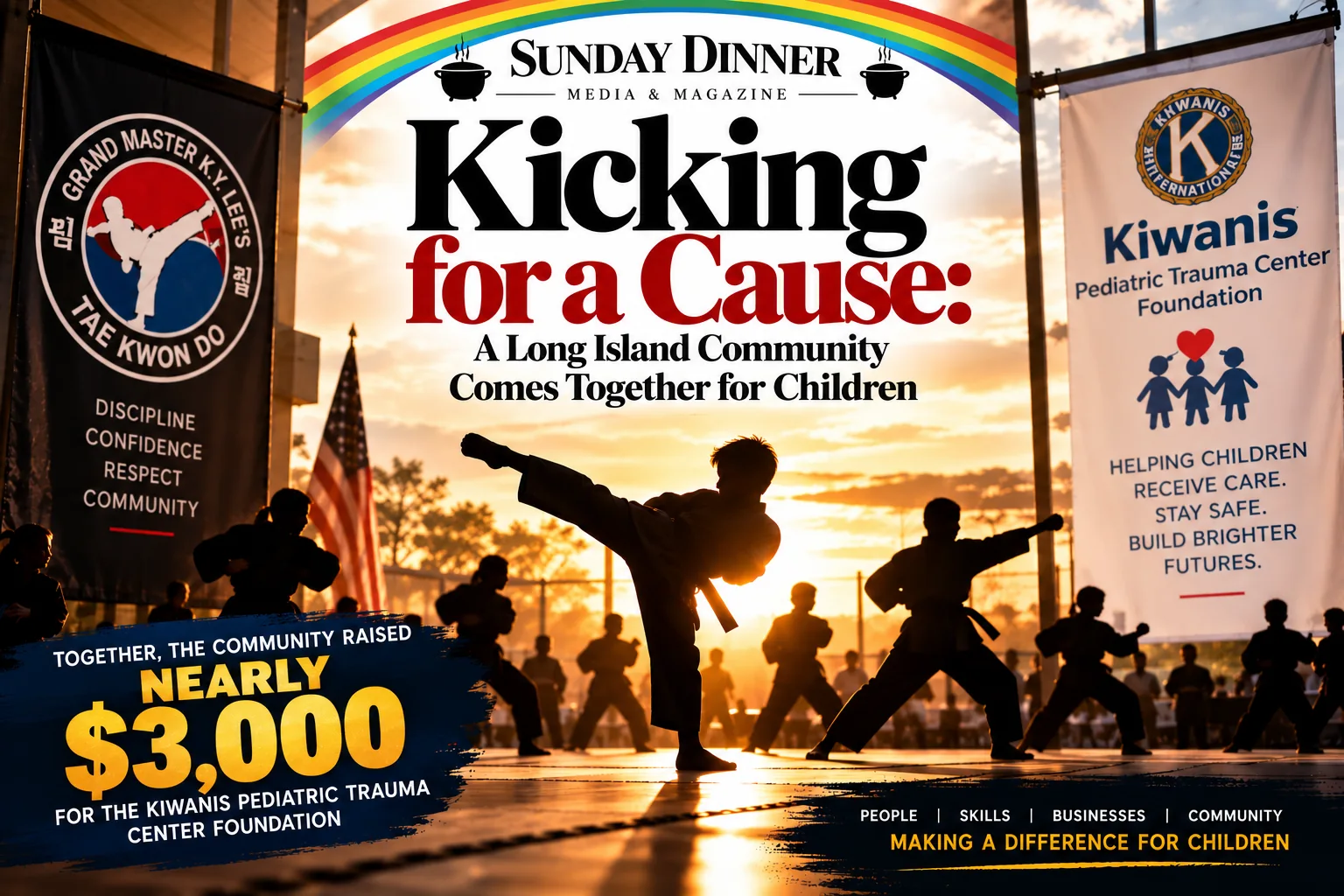
Martial artists, local businesses, civic supporters, and families joined a fundraiser that raised nearly $3,000 for the Kiwanis Pediatric Trauma Center Foundation.

Meta’s new child-safety agreement introduces meaningful safeguards, but it also raises a deeper question about what families have been left to manage alone.
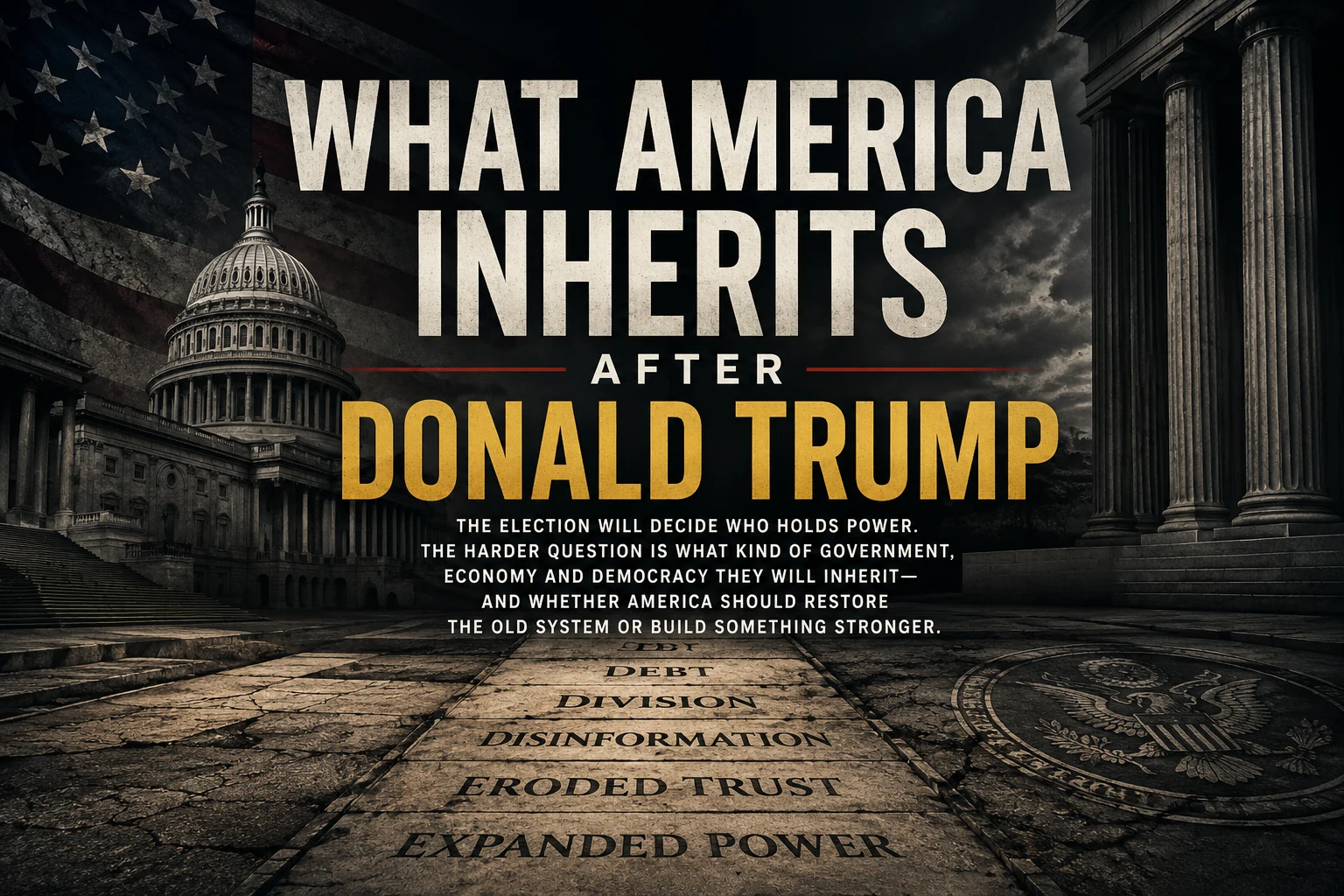
The election will decide who holds power. The harder question is what kind of government, economy and democracy they will inherit—and whether America should restore the old system or build something stronger.
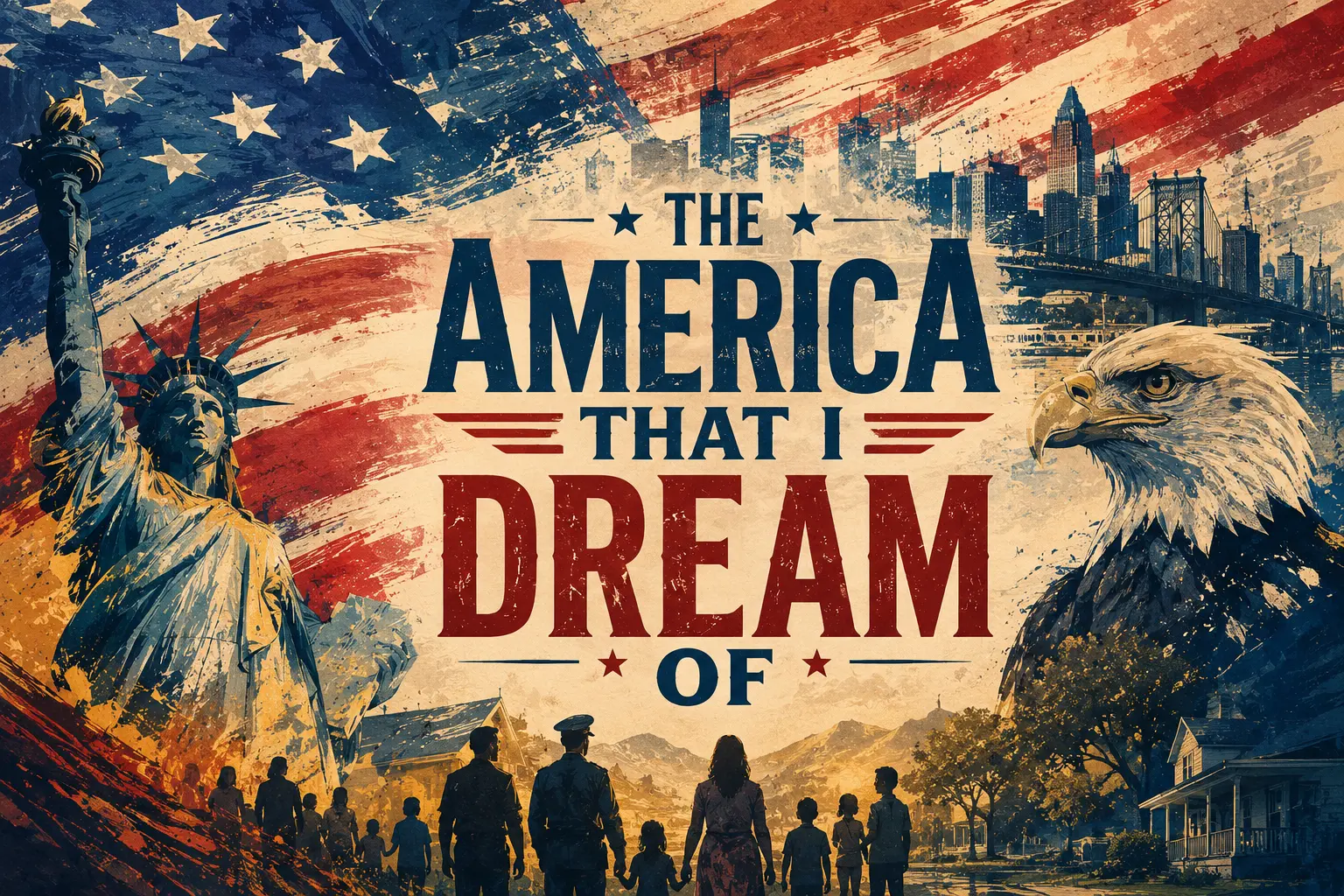
Clarence C. Mitchell reflects on the America he still believes is possible—one where difference is not feared, freedom belongs to everyone, competence matters more than spectacle, and serious public responsibilities are treated seriously.
Two days before the election, Stevens presented Rogers as an ally for Black businesses. His record on lending, health care, and civil rights deserves scrutiny.
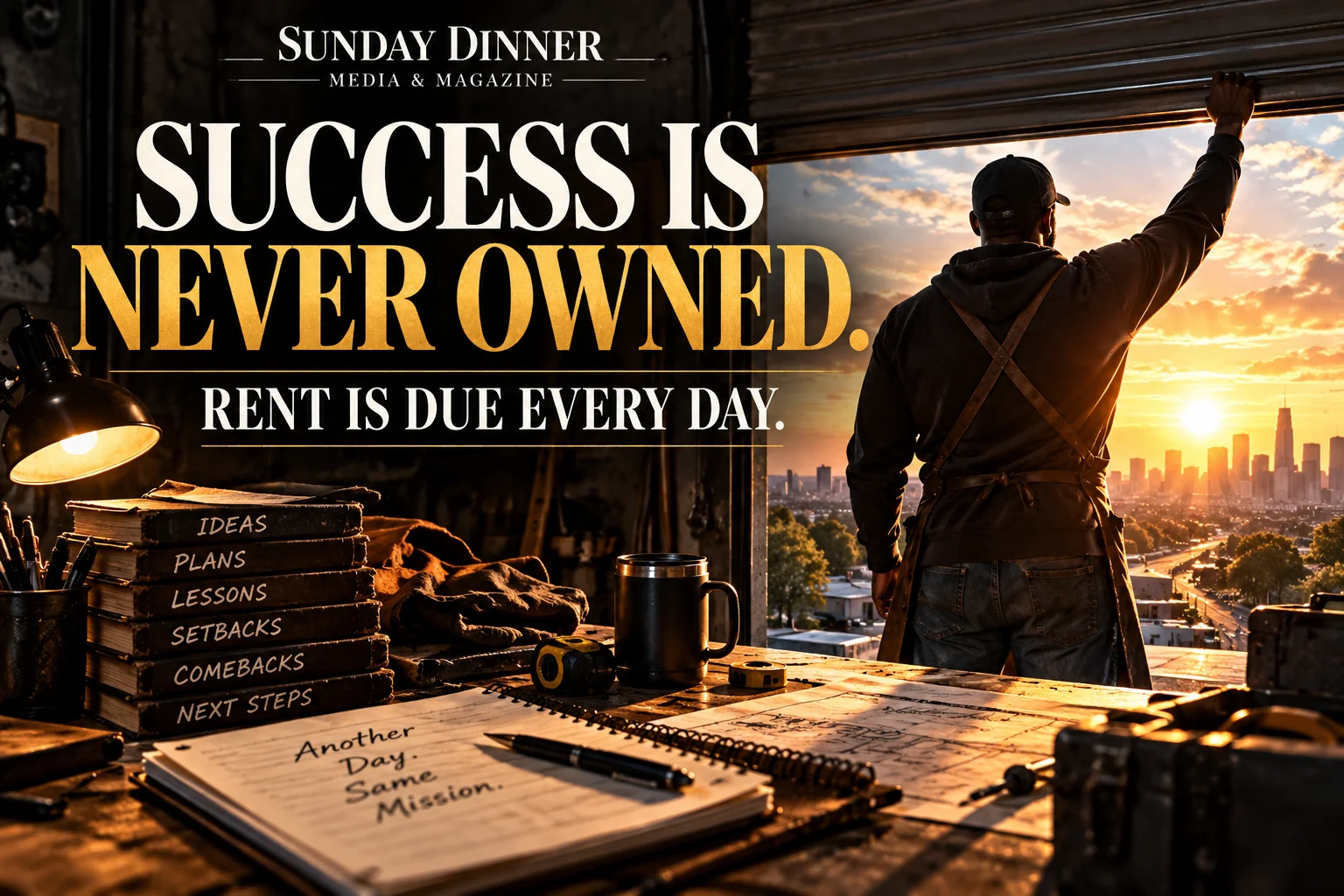
The work behind progress rarely gets applause. Keep showing up anyway

OpenAI ChatGPT — AI-generated artwork
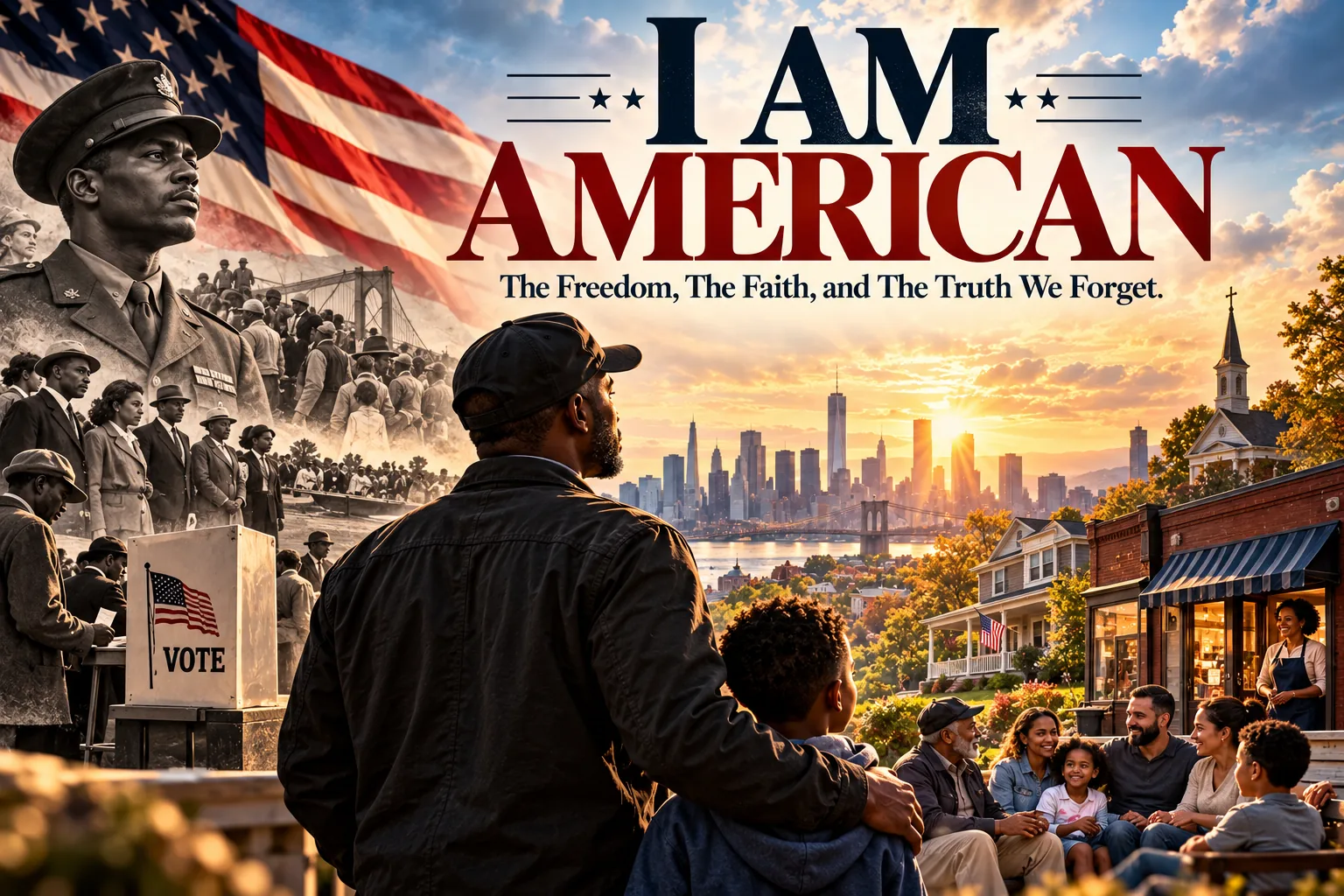
My family answered this country’s call. Black Americans and their allies fought to make its freedoms real at home. No one gets to tell me that I belong here less than they do.
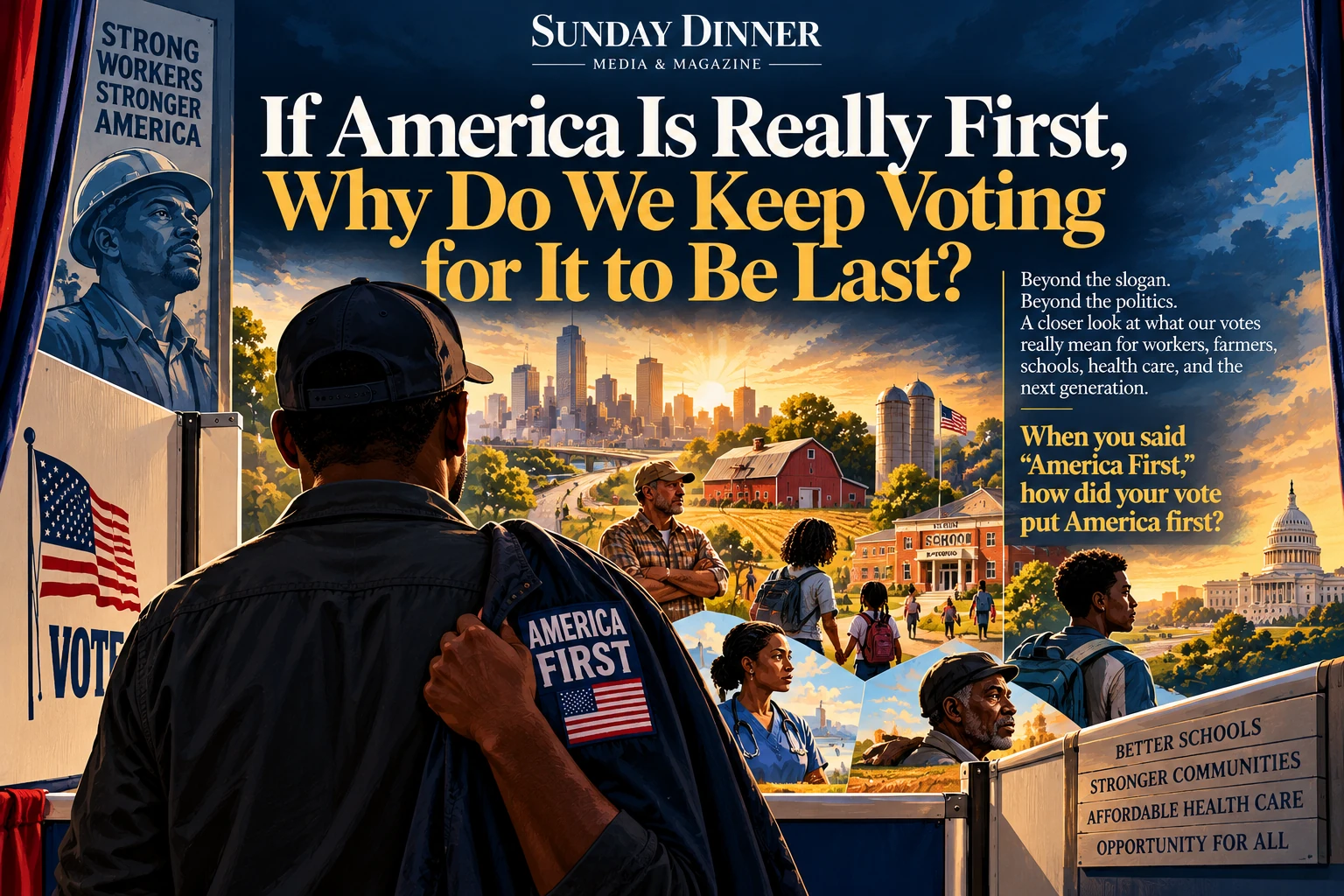
The slogan promises a stronger nation. The question is whom our choices have put first.

A conversation about faith becomes a larger question about responsibility, moral choice and what humanity does with what has been entrusted to it. If God remains sovereign while our choices still carry consequences, when does trusting God become faith—and when does it become an excuse for refusing responsibility?
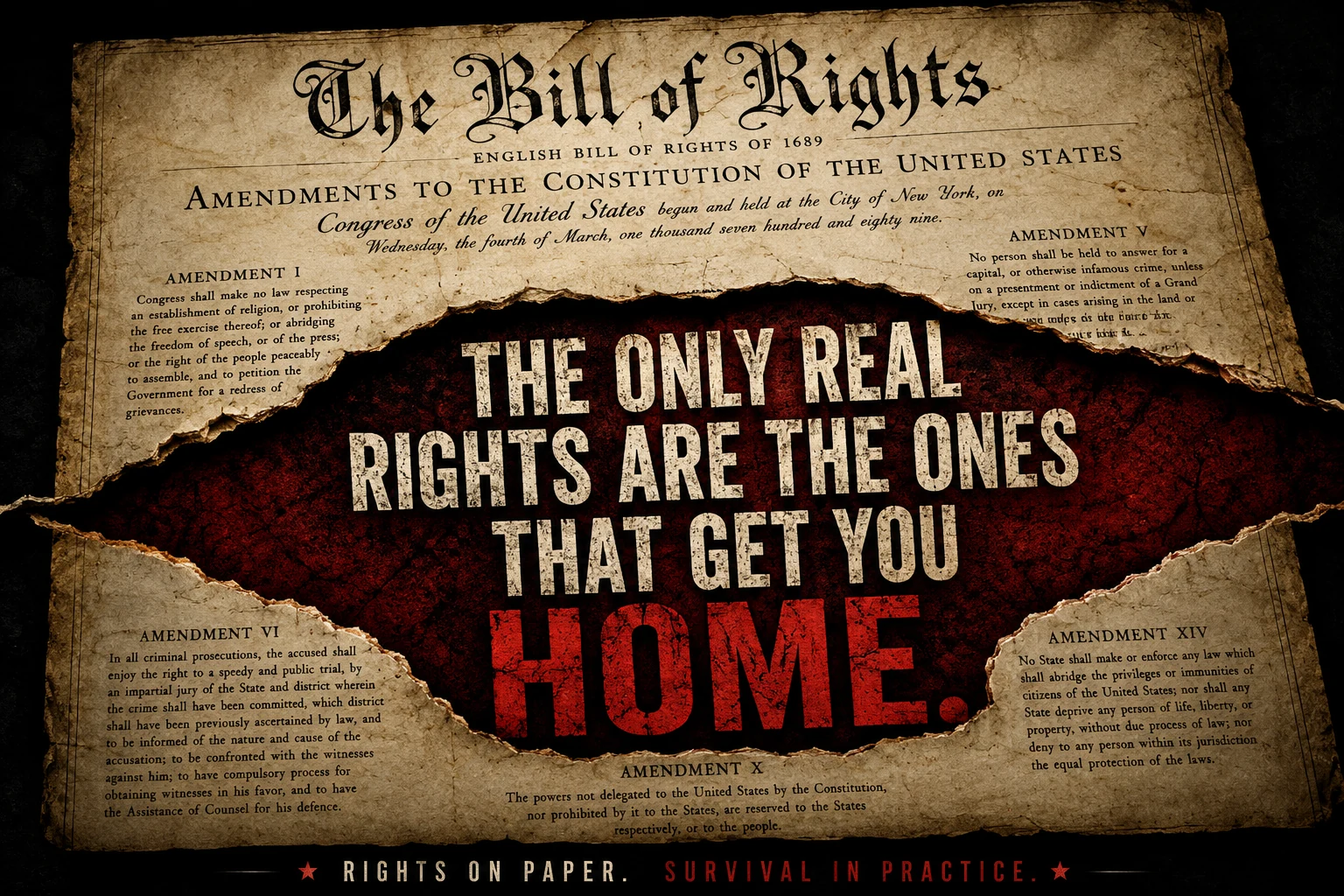
A father passes down a lesson his own father taught him: know your rights, but understand that a right written on paper cannot protect you from someone willing to ignore it. Through family memory, racial history, modern research and cases from Amadou Diallo to Tamir Rice and Airman Roger Fortson, Clarence C. Mitchell examines the survival wisdom Black families have passed across generations—and asks why parents are still being forced to teach it.
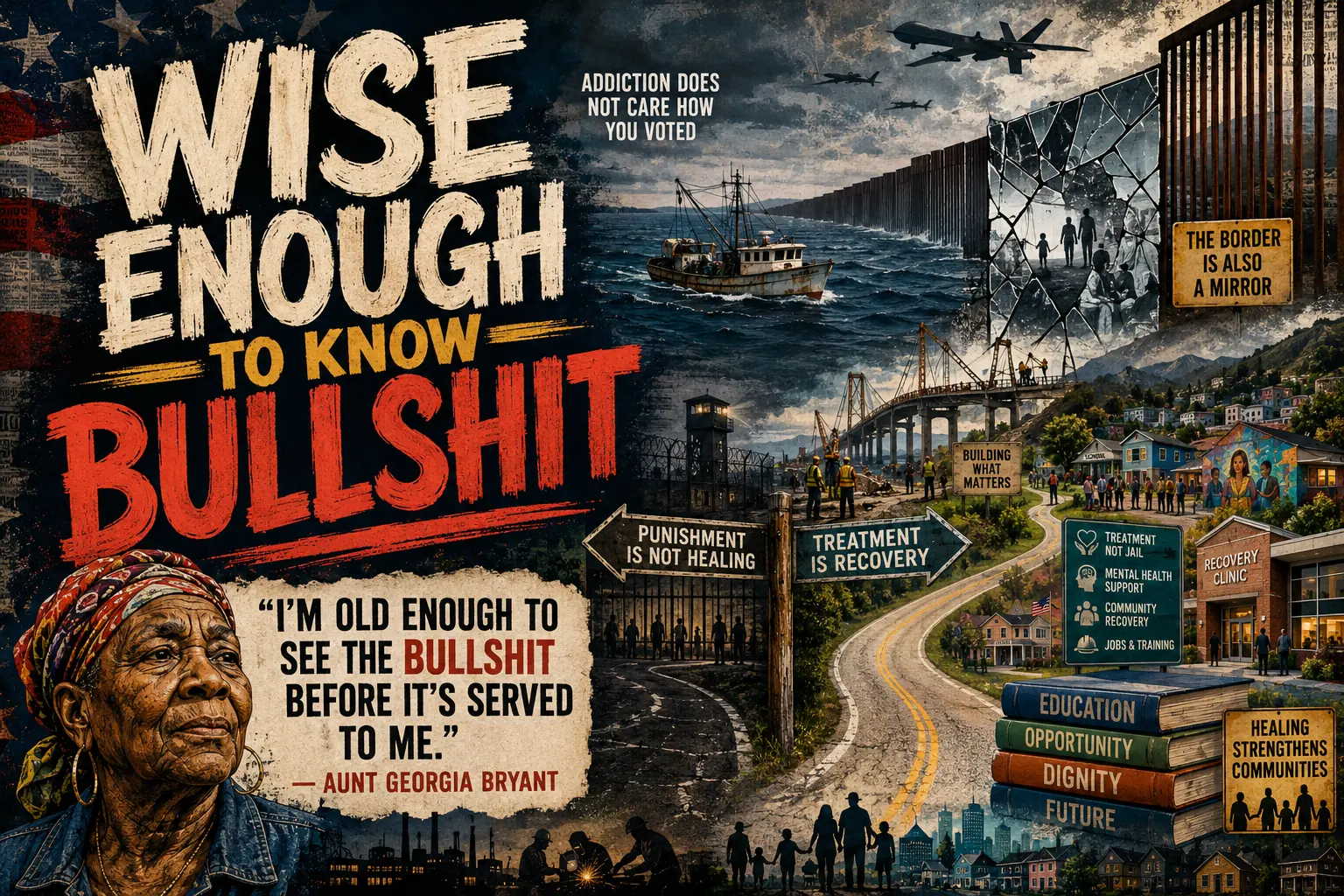
A forceful personal commentary questioning selective outrage, punishment-first public policy, and the abandonment of working communities.
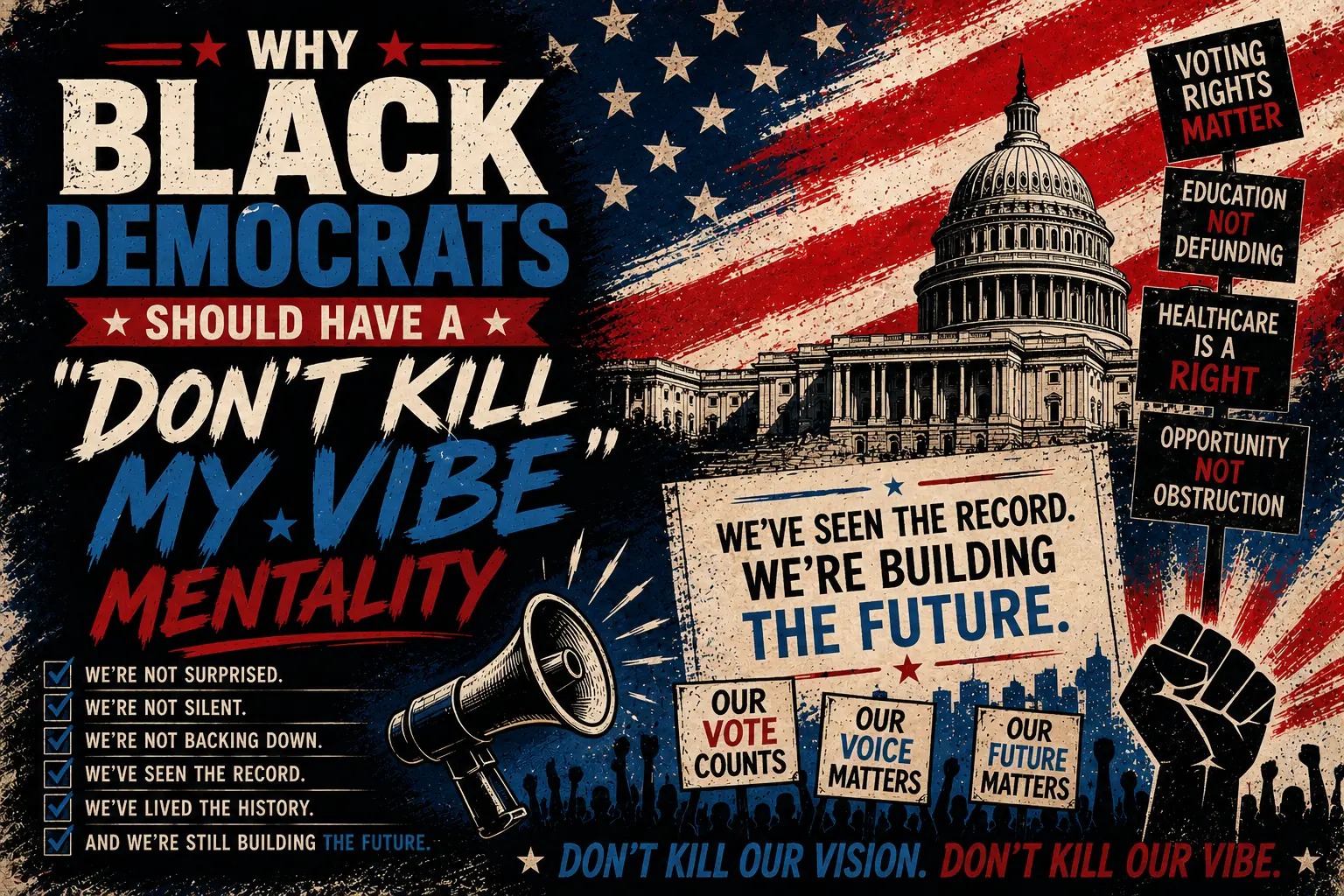
Black Democrats can be angry about where America is headed without pretending to be surprised. Clarence C. Mitchell reflects on the public record voters had before the 2024 election, the distractions that shaped the campaign, and a simple truth about democracy: choice carries responsibility.
The fire before sunrise, the discipline nobody applauds, and the choices that become a legacy.